

Glasgow’s The Sea Kings released their début EP in January 2011 – and have, this last year – been busily writing and recording their first full-length L.P. ‘Woke In The Devil’s Arms’. (out 8th August.)
Like their thought processes, the sounds of The Sea Kings seem to look to the future, while in some way – and at the same time – they are drenched in the past.

Taster track: “Scarecrows (or Greetings From The United Front Of The Future Farmer’s Revolution)” has a worrying tube-train sucking sound to start with. But then the song jingles into clear view – a charge of sparks, cold air and oily moisture.
The melody is folk sounding – with a rappetty bodhrán beat – and the guitars (from Nicky) continuously circle like mountain buzzards.
The melody is somehow familiar. You can easily sing along. This is a great ‘try-out’ track to get you going.
The album begins, however, with title track “Woke In The Devil’s Arms.”
This is dark and mysterious. With grumbling undertones and a deep sense of foreboding.
This sounds like a big slab of Celtic punk – but it has wonderful blues ingredients in it too – like filthy bass notes and shabby guitars. And that swampy feel.
‘Moonlit Range’ sounds almost like a cabaret song. With stroking brushwork and a torch-song sentimentality.

‘The Night Of Broken Glass’ – is a song that seems to revolve around the pogrom carried out by the Brown Shirts in 1938 Germany.
Unusually, it seems to be drawn from the memories of the antagonist.
It could, indeed, be about Kristallnacht. But the song also begs you to think of parallels in your own existence. Given that the subject matter is rather bleak, the song remains fairly jaunty and balanced. Clever, rather lenient.
‘Is Paris Burning’ starts with siren-like strings. These appear like lost strands of barbed wire blowing freely on the sandy beaches at Overlord.
After the fall of Paris in 1940, the communist resistance attempted to organise a general uprising – to spoil the occupation – and asked for the city to be burnt.
So the thrust of feeling in this song is that – if you cannot now own something that was once yours – then you should destroy it – to deny your enemy the privileges you once enjoyed.
This song can be seen as a lesson from history – as well as a comment about conducting our own personal lives. It has the zest of bitterness running right through it.
This song is full of melancholy and remorse.
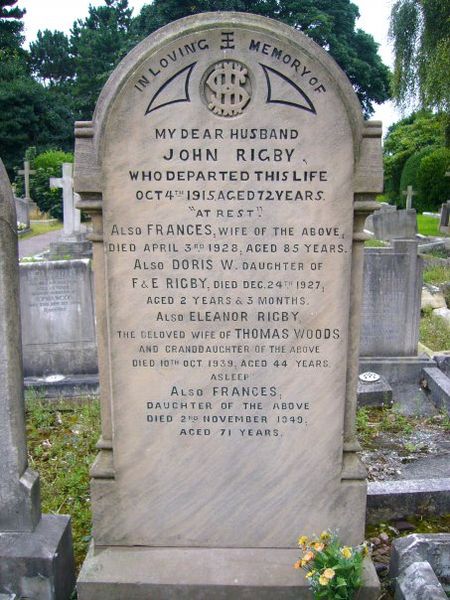
Lead vocals by Brian Canning are high and sweet. The tomb of Rosie is outside his door.
A symbol of the passage of time and the emptiness of a forgotten life. While the chorus grows quickly, we are asked “How may souls … have been dragged across the coals?”
Why should we be angry with someone who has suffered tragedy and loss? Well, maybe it’s because we are not able to deal with it.
We can not address the possibility that the next time it could be us. Alone and forgotten In the dim light.
It’s great to find a band that can really write. All the songs on this album stand out. Clear and proud.
The songs are statements of intent. Provocative – they operate on multiple levels, simultaneously.
The only thing I have ever heard like this is perhaps the music of Jethro Tull (during the 1970 Aqualung period) or (dare I say it) the Beatles circa 1966.
This album is full of social commentary, dry wit, and a passion for melody .
The material here is played with confidence – smooth and fluid – and the ideas keep running at you like rush hour traffic in the early morning.
I can not help thinking that this album will probably appeal to an older – more mature – audience . And this is the reason why I think that it may have limited commercial appeal.
However, I am keen to give it full marks. This is a masterpiece.
@neilmach 2014
Link:
 RAW RAMP